
Innovations in sustainability systems to support corporate due diligence
Practical examples and insights from the Innovations Fund
Due diligence – actions a company takes to prevent, mitigate or remedy harm caused by their work – includes human rights and environmental commitments (HREDD). Sustainability systems play a critical role in supporting companies to meet their due diligence requirements. Presenting examples from the Innovations Fund and building on ISEAL’s recent explainer, The role of credible sustainability systems in supporting corporate due diligence, these case studies show how sustainability systems are innovating to support companies in their due diligence across supply chains, raising the bar for human and social rights and environmental standards.
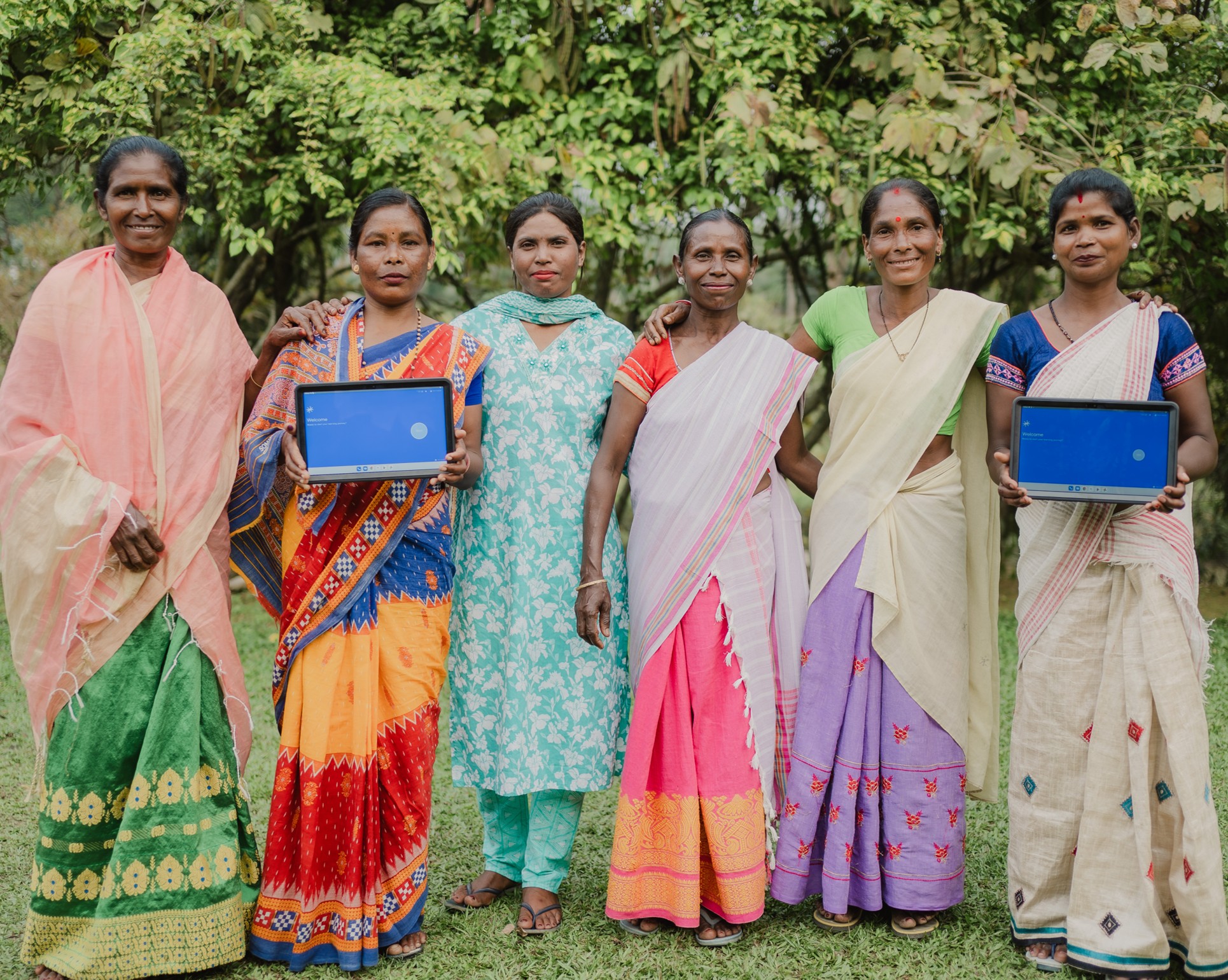
Through the Innovations Fund, Rainforest Alliance piloted digital, gamified training on human rights risks with workers and managers at selected certified farms in India and Mexico.
The training aligns with OECD-FAO Guidance for Responsible Agricultural Supply Chains, and through Rainforest Alliance’s partnership with Quizrr, the training engages workers, worker representatives and farm managers with gamified technology in local languages, set around local contexts and scenarios.
Within the training, actors build knowledge of their human rights, a fundamental step in company due diligence, ensuring risks and violations can be adequately identified and reported. The certified farms can access anonymised data from the gamified training platform, identifying knowledge gaps amongst workers, informing risk assessments and allowing for subsequent training to focus on these areas.
Compared to in-person training, the vast majority of digital participants were farm workers rather than farm managers, with women representing more than half of all participants accessing the training. This suggests the digital approach has the potential to reach more marginalised populations and those more vulnerable to rights violations.
Dubbing the training with Tzotzil and Nahuatl language options significantly increased engagement with workers from Indigenous populations in Mexico, particularly women. Workers in tea plantations in India surpassed training targets and requested to expand training to additional tea plantations – highlighting the ease of scaling this approach, especially within one context and language group.
This innovation by a sustainability system supports company due diligence through enhanced risk management, where companies can proactively identify and mitigate potential risks in their supply chain, and ensure any sustainability risks – whether human or environmental – are addressed.
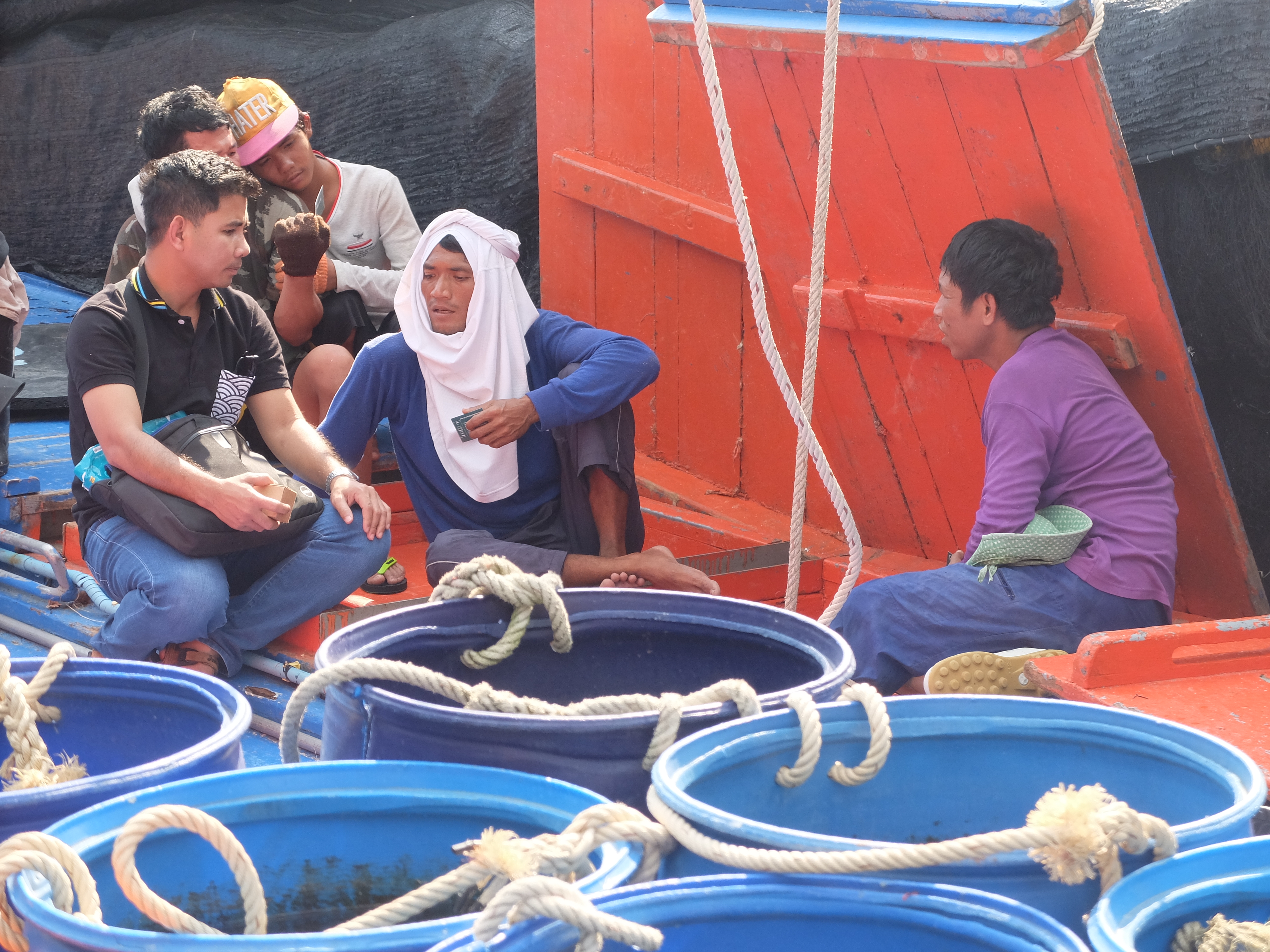
The seafood industry on the whole has fallen behind other sectors for meaningful, ongoing worker engagement – an essential part of human rights due diligence.
Commercial audits can miss out on including workers voices, and inaccessible global grievance mechanisms can mean human rights violations go undetected. This means data collected as part of due diligence efforts may be unreliable and ineffective in preventing exploitation in seafood supply chains.
To address this, Monterey Bay Aquarium, as part of the Certification and Ratings Collaboration, are leading a joint project with Issara Institute, researching worker engagement systems for seafood sector workers across five countries in Asia: India, Indonesia, Taiwan, Thailand, and Vietnam. Their efforts aim to gather and share best practices in the promotion of workers’ voices, leading to the development of strategies to uphold their rights.
The field-based research, conducted by Issara Institute, interviewed seafood sector workers, global and local business stakeholders, government, non-governmental organisations (NGOs) and trade unions to assess the effectiveness of 108 worker engagement mechanisms across the five countries.
The mechanisms assessed included local NGO and trade union worker engagement, as well as supplier grievance mechanisms, government complaint mechanisms, and global buyer hotlines and apps. The findings outlined nine critical components of effective worker engagement mechanisms, including safeguards, remediation, and no retaliation or conflicts of interest. There were examples of both effective and ineffective mechanisms run by NGOs, trade unions, suppliers, and government bodies, highlighting the importance of mechanisms having a proven track record of listening to workers and responding safely and appropriately. This shows that trust is a precondition for the effectiveness of worker engagement mechanisms.
The research also found that many producers have limited finances to proactively address deep-rooted human rights issues, deterring them from establishing effective worker engagement mechanisms. Efforts to share responsibility and costs in seafood certification could ease some of this financial burden for producers. Seafood certifications and ratings were encouraged to establish a Social Impact Fund to support effective worker engagement mechanisms, unlocking more reliable human rights data and remediation.
The full findings and recommendations are published in The First Mile &The Bottom Line: Unlocking a Financially Viable Model for Ethical Seafood through Worker Engagement.
This innovation by a sustainability system strengthens the processes – such as grievance and remediation strategies – that support effective due diligence in companies, while also demonstrating approaches to worker and broader stakeholder engagement.
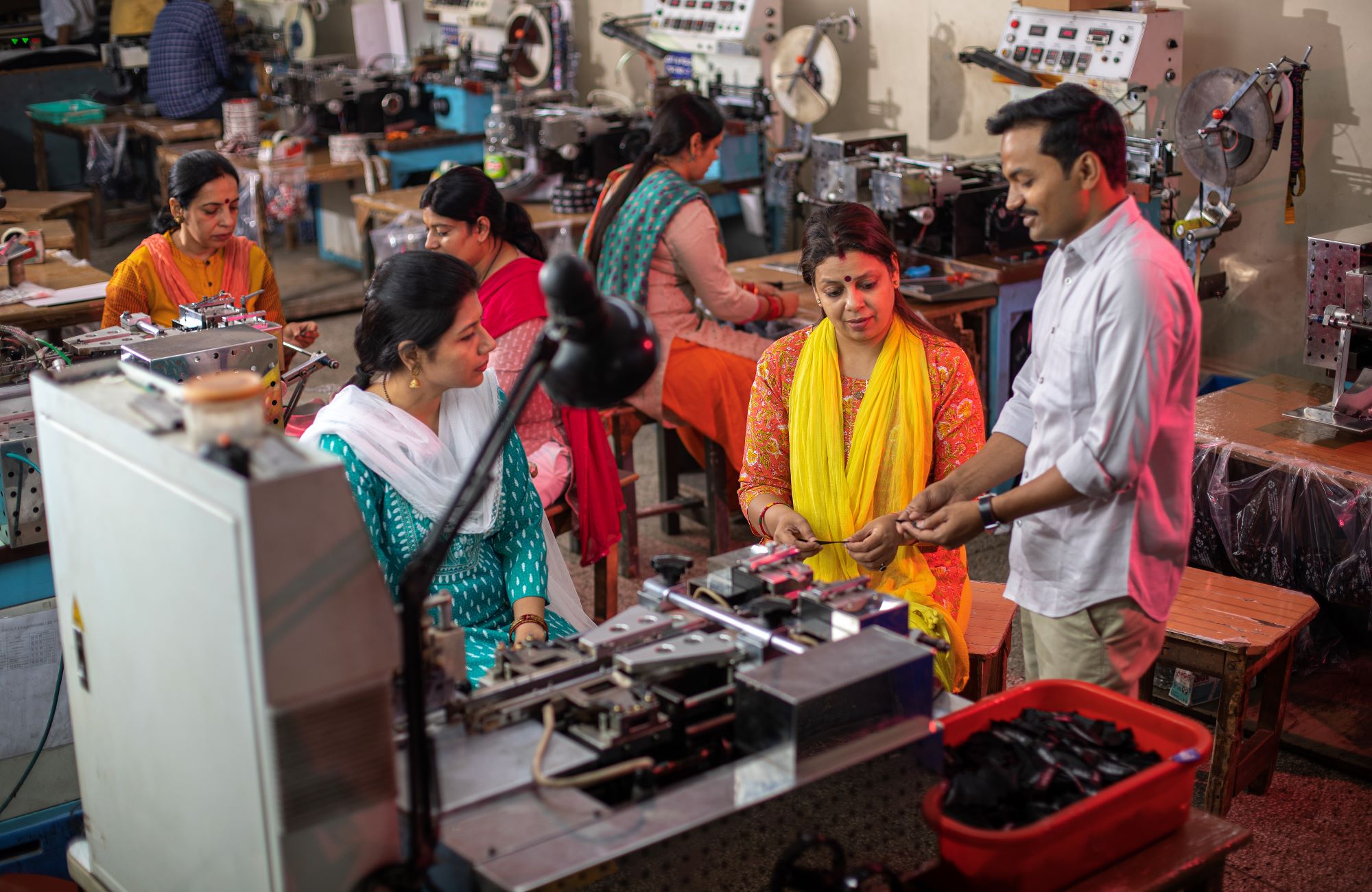
As global policy developments continue to evolve, sustainability standards are regularly strengthening their due diligence frameworks, including their approaches to human rights and social risks. This means auditors need ongoing training to assess new criteria efficiently.
Leading the way in continuous learning for auditors on HREDD requirements, Global Standard gGmbH (operating unit of the Global Organic Textile Standard (GOTS)) is piloting a modular, participatory approach, with tailored modules for auditors, Certification Bodies and Certified Entities.
The project built on good practice approaches for continuous learning for auditors, and found that opportunities for discussion, simulation and peer exchange, shifted auditors’ experience from simply memorising new updates, to actively reflecting on how to audit against the new criteria. Clear definitions helped them distinguish between mandatory requirements and recommendations, and legislative details were easier to understand when presented through practical scenarios.
In engaging many auditors, the project uncovered gender disparities within auditor teams, with a significant lack of women auditors in countries including Bangladesh, India and Sri Lanka, highlighting the need for efforts to create a gender-inclusive environment where more women are recruited, trained and retained as auditors.
This innovation in assurance and verification forms part of the reliable framework offered by sustainability systems to companies to meaningfully meet their environmental and social due diligence requirements. For more about Global Standard’s continuous learning approach, see Strengthening Auditor Capacity: A new step in GOTS’ human rights due diligence journey.
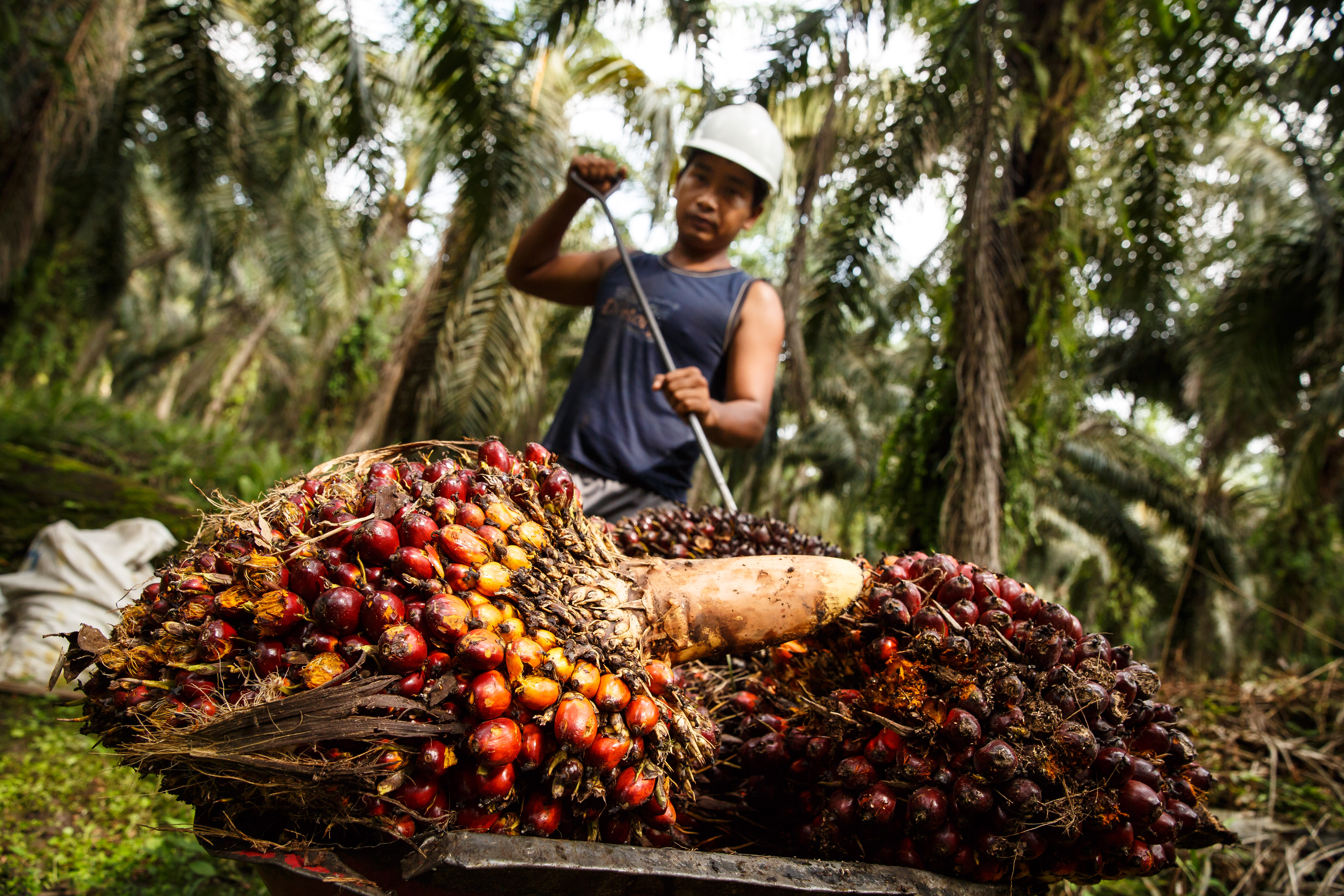
Seven million smallholders depend on palm oil for their income, and their sales are often informal and undocumented – bundled up and sold to intermediaries, who then sell to mills. Price and supplier competitiveness mean intermediaries often do not disclose their sources to mills. This leaves mills with no direct relationship with smallholders and at higher risk of processing palm fruits which are non-compliant with the EU Deforestation Regulation (EUDR). This raises a potential double blow to sustainable, certified independent smallholders: mills may shift sourcing to lower-risk suppliers or markets with fewer compliance requirements, while the EU market may increasingly be supplied by a limited number of larger, longer-established plantations readily able to provide traceability data.
The Roundtable on Sustainable Palm Oil (RSPO) and Proforest are leading an Innovations Fund project to keep smallholders included in sustainable supply chains. The project focuses on the role of intermediaries between independent smallholders and processing mills, addressing this supply chain gap by focusing on those who have the potential to carry critical traceability data.– Moreover, the project explores the enabling conditions (incentives, capacity needs) to better integrate smallholders into certified and sustainable supply chains.
Research has identified the wide variety of roles intermediaries play and mapped the financial incentives that are key drivers for providing traceability data. This highlighted that limited trust and communication between actors has been a challenge, and confirmed that there is no ‘one-size-fits-all' for intermediary integration.
The project is now developing and validating practical guidance to address these bottlenecks, exploring strategies such as integrating intermediaries into certified supply chains, encouraging mills to source directly from smallholders, and incentivising downstream actors to support smallholder inclusion.
These innovations can support companies’ EUDR compliance through enhanced information about supply chain actors and traceability gaps.